


Bachelor of Architecture (B.Arch)
The Bachelor of Architecture curriculum at the Faculty of Architectural Studies and Design is designed to provide students with a comprehensive educational experience dedicated to gaining knowledge and skills in preparation for the successful and ethical practice of architecture.Design studios and courses build cumulatively over five years to establish a broad, deep foundation of knowledge in architecture and urban design in relation to the sciences, arts, and technology..The traditional and essential skills of drawing, model-making, and design development are complemented by a full investigation of the analytical and critical uses of digital technologies.
Eligibility:
Students must have passed 10+2 with 50% aggregate marks in Physics,Chemistry,Mathematics &
50% marks in aggregate
or
Passed 10+3 Diploma examination with Mathematics as a compulsory subject & 50% marks in
aggregate.
Candidate needs to qualify NATA 2024.
Programme Highlights
Architecture is currently undergoing fundamental changes as it transitions into the digital era. Constraints on resources, environmental changes and the rapid urbanization of the world require innovative methods and new forms of practicing architecture. To align with our Vision, Mission, Values and Ethos – Faculty of Architectural Studies and Design has been continuously streamlining future-driven measures to bring an impact to student- centric approaches.
- Accreditations and Professional Connects
- Forward Looking Curriculum
- Collaborative Design Studios and Partnerships
- Workshops Abroad
- National and International Tours
- Student-Centric Initiatives
- Harnessing the power of tech and data
- Sustainability-Conscious Approach
- Inter-disciplinary Hands-on Approaches
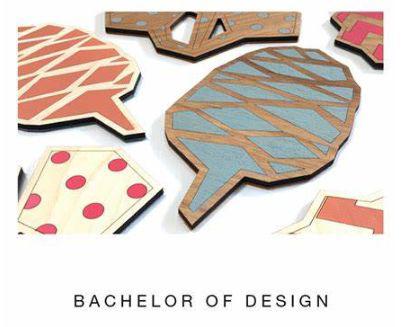
Bachelor in Design (B.Des)
Bachelor of Design (B Des) is a full-time undergraduate program in design. The B Des curriculum is designed as a four-level structure leading to a gradual movement from general foundational courses at the introductory level to specialized and detailed domains at the final stage. The students are encouraged to develop their own interest areas with design thinking, problem-solving, being creative and innovative as their core abilities. They will have the freedom to work in the areas of their interest in the core domains of design – Interior Design, Product Design, Set Design, Graphic Design and Furniture Design.
Eligibility:
Students must have passed 10+2 examination with at least 45% aggregate.
or
Passed D.Voc. stream in the same or allied sector.
Programme Highlights
Those seeking to hone their competencies and acquire valuable knowledge about the emerging trends of industries such as fashion, leatherwork, film/video and product design are excellent candidates for these courses. Not only will this program refine your existing skills but also offer a wealth of job growth opportunities. Upon completing the program, individuals can go on to become adept Fashion Designers, Graphic Designers, UI/UX Designers, Textile Designers or Product Designers.
- Completing a Bachelor of Design (BDes) can enable students to take their academic career to the next level with a Master of Design (MDes).
- This advanced qualification brings numerous benefits, such as enhanced employment opportunities and greater pay, as well as increased visibility in the fashion industry.
- Furthermore, those who achieve success with an MDes are able to provide additional job opportunities for other people.
- With such degrees comes the power to ensure thriving careers.
M.Arch Interior Architecture
This 2-year postgraduate course extends the vision and intellectual rigor of our undergraduate program and advances its preeminent role in the education of architects. The program is open to applicants with a professional degree in architecture (Bachelor of Architecture) from a recognized institution.Interior Architecture programme delves into specialized concepts in interior designing. Curriculum emphasizes research-based approaches to design, experimentation, and materialization of spaces.Students gain proficiency in various software tools essential for creating detailed designs, visualizations, and efficient workflows. A close connect with Industry is made available to the students to equip them with working on live projects alongside practising architects and industry professionals.
Eligibility:
An undergraduate degree in B.Arch with at least 50% aggregate marks or equivalent CGPI.

Programme Highlights
Primarily this program is studio based, concentrations in one or a combination of two areas are offered: theory and theory cum studio.The program offers opportunities for advanced research in an enlarged field of inquiry and allows students to craft their own agenda across diverse areas of study. Prospective students declare their area(s) of thrust during the application process.
- Four advanced design studios that culminate in a thesis project.
- Postgraduate-level seminars and workshops offer an intensive immersion in the criticism, history, and theory of interior architecture.
- Seminars help students prepare for careers in teaching, and eventual doctoral studies, by providing a broad understanding.
- The curriculum builds on fundamental areas underpinning the creative practice of architecture: representation and fabrication, technologies and professional ethics, history and theory, and design and the process of projecting architecture. Throughout the program you express your ideas not only discursively but through actual production
- Analysis studios provide deep insight into the formal and programmatic diversity of historical and contemporary architecture, the process of design, and potential avenues for new approaches to theory and practice.
- Final year thesis gets our graduates industry-ready.
M.Arch Interior Architecture
Our master’s program in Landscape Architecture is a graduate-level program that focuses on the design, planning, and management of outdoor spaces and environments. Students in these programs study subjects such as landscape design, site planning, environmental sustainability, plant ecology, urban design, and landscape construction. The goal of a Landscape Architecture master’s program is to train students to become professional landscape architects who can create functional, aesthetically pleasing, and sustainable outdoor spaces. Graduates may work in a variety of settings, including design firms, government agencies, and private organizations, designing parks, gardens, campuses, and other
Eligibility:
An undergraduate degree in B.Arch with at least 50% aggregate marks or equivalent CGPI.

Programme Highlights
- The curriculum of the Landscape Architecture is rigorous and comprehensive, and prepares candidates for the full range of professional activities in landscape architecture.
- A four-semester core curriculum provides a solid intellectual base of knowledge in design, history, theory, technology, ecology, representation, and professional practice.
- All four semesters offer the opportunity to engage in advanced studios and elective courses.
- Particular emphasis is given to developing mastery in design in each of the four studios.
- Students work on design thesis in their final semester.
- The industry offers many fields and positions related to landscape, land use and the environment. Most graduates are employed by consultancy and engineering companies, planning and design agencies, district water boards, government agencies or universities.
M.Arch Construction Project Management
Construction Management program at Faculty of Architecture provides the technical competencies, financial knowledge, and entrepreneurial skills that are essential to today’s leaders in the construction industry.This meets the growing need for professionals with advanced technical, management and applied research skills in the construction industry.With an emphasis on operations and company-level management, this advanced degree from RIT offers courses to enhance understanding in construction, facilities management, and related fields.Hands-on activities allow students to learn and excel in construction-related activities and software application
Eligibility:
An undergraduate degree in B.Arch with at least 50% aggregate marks or equivalent CGPI.
Programme Highlights
- The curriculum includes core courses, professional electives, and a choice of a thesis.
- It is designed to provide students with the knowledge and skills to plan and manage each phase of the construction process as applied to complex commercial, infrastructure and residential building projects.
- In-demand areas include construction project management, facilities management, environmental health and safety management, and business management and leadership.
- The program focuses on developing the skills that are most in-demand for construction managers, and yield premium salaries.
Job profiles include:
- Project Manager and Engineer
- Project Control Engineer
- Cost Control Engineer
Ph.D in Architecture
Faculty of Architecture, Dr.M.G.R. Educational and Research Institute commenced its PhD program from the academic year 2017.We place a high emphasis on its research activity. The Master of Philosophy in Architecture allows a candidate to undertake research and advanced specialisation in any of the areas of research undertaken by the us. Students will be required to complete some coursework as part of their candidature. Students will have access to a range of specialist units of study relevant for research students. These comprises a range of development opportunities that include specialist analytical methods, professional development units, and discipline-specific subjects relevant for research students. Our Doctoral program emphasizes on off-the-shelf research to create new knowledge and explore future challenges
Eligibility:
To be eligible for admission to the Master of Philosophy in Architecture, you must have completed master’s degree with 60 %.
Programme Highlights
Research Opportunities: It allows you to conduct in-depth research in a specialized area
of architecture, contributing to the advancement of knowledge in the field.
Expertise Development: You’ll develop advanced skills in research, critical thinking,
and problem-solving, which are valuable in academia, research, and professional
practice.
Career Advancement: A Ph.D. can lead to academic positions, such as professorships, and
open up opportunities in research institutions, government agencies, and the private
sector.
Specialization: You can focus on a particular aspect of architecture that interests you,
such as sustainable design, historic preservation, or urban planning.
Graduates of the Ph.D. program in architecture pursue academic careers in universities,
obtain positions in research institutions, or return to professional practice.